Case 1783 · Public preview
Silver-Conductor Corrosion Can Open a Resistor while Other Visible Corrosion Is Non-Causal
Two nominal 3-kilohm resistors developed very high terminal-to-terminal resistance, measuring approximately 106 megohms and 79 megohms.
Resistance measurementOptical microscopyBSE SEMEDSMetallographic microsectioning
What the evidence preview establishes
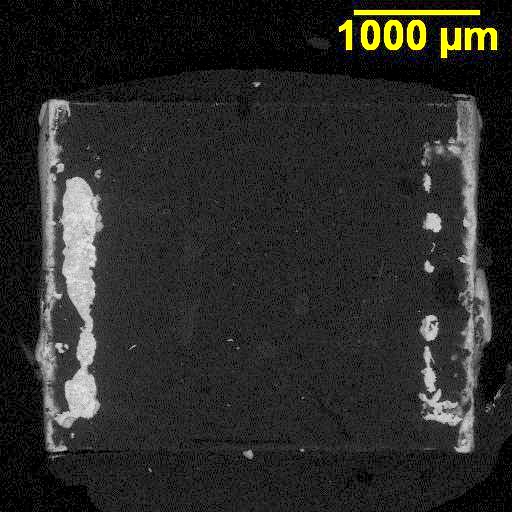
Both resistors failed because sulfur corrosion consumed the silver conductor near the termination edges, interrupting the connection to the thick-film resistor element. Separate corrosion of the board-side tin-lead material did not explain the electrical opens.
Why this case matters
Correlate corrosion with the electrical path. An open resistor can result from a narrow silver connection being consumed at a termination edge even when more conspicuous corrosion elsewhere is unrelated; combine surface chemistry with sections that show the conductor discontinuity.
Full evidence reserved for MEMBER and STOREThe complete case includes the evidence sequence, 4 interpreted figures, alternative explanations, limitations, and practical application guidance.