Case 1187 · Public preview
Residual Chloride, Moisture, and Bias Can Build Conductive Paths Beneath a Component
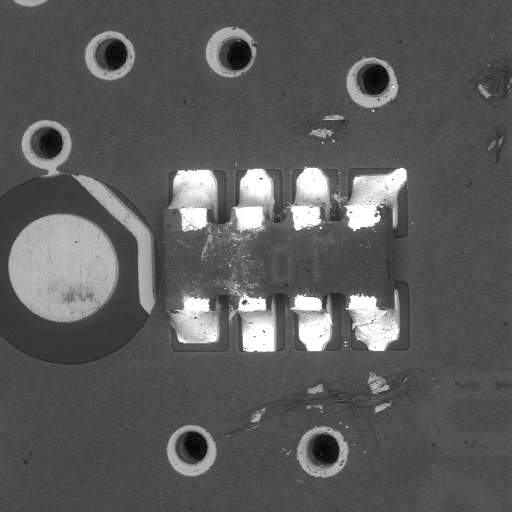
A resistor network developed low-resistance parasitic leakage between pins, while a second removed network retained higher-resistance leakage without an obvious external path.
SEMEDSElemental mappingElectrical resistance testingComponent removal and underside examination
What the evidence preview establishes
One resistor network failed through external Sn-Pb electromigration driven by residual chloride, moisture or condensation, and electrical bias. The possibility of a separate internal leakage mechanism in the second network remained unresolved.
Why this case matters
Intermittent or parasitic leakage beneath a low-clearance component can persist after the obvious short path is disturbed. Examine the component top, underside, and newly exposed board surface, and evaluate ionic residue, moisture, and bias together before assigning leakage to the component interior.
Full evidence reserved for MEMBER and STOREThe complete case includes the evidence sequence, four interpreted figures, alternative explanations, limitations, and practical application guidance.