Case 1951 · Public preview
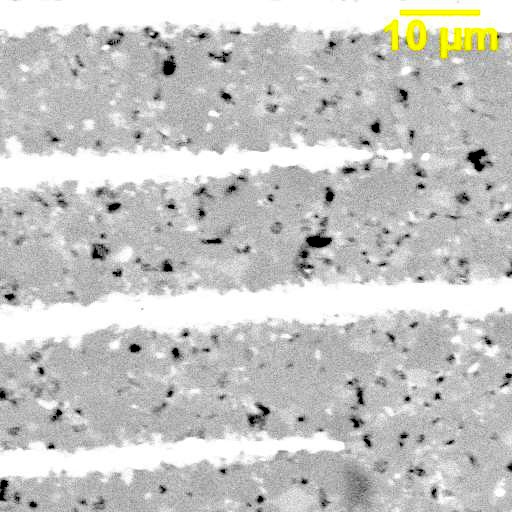
As-Fabricated Porosity Can Nearly Bridge the Electrode Spacing in an MLCC
Several multilayer ceramic capacitors developed leakage or electrical failure without the fracture pattern expected from board bending or thermal shock.
Optical microscopySEMEDSProgressive microsectioningFailed-to-stock comparison
What the evidence preview establishes
Excessive porosity in the as-fabricated dielectric was the most likely cause of failure. The capacitor structure also contained irregular electrodes and dielectric layers, a magnesium-depleted interfacial layer, and possible plate-to-dielectric adhesion defects.
Why this case matters
For an electrically failed MLCC without a classic bending crack, examine dielectric quality throughout several section planes. Aligned pores, large voids, and irregular electrode spacing can sharply reduce the effective insulation path even when the external solder joints appear sound.
Full evidence reserved for MEMBER and STOREThe complete case includes the evidence sequence, four interpreted figures, alternative explanations, limitations, and practical application guidance.