Case 832 · Public preview
Conductive-Ink Particle Size, Adhesion, and Mask Debris Can Destabilize Key Contacts
Individual membrane-keypad contacts developed high and unstable resistance after only a few months of operation, with measured values ranging from tens of ohms to approximately two megohms.
Resistance measurementControlled dissectionOptical microscopySEMFailed-to-new comparison
What the evidence preview establishes
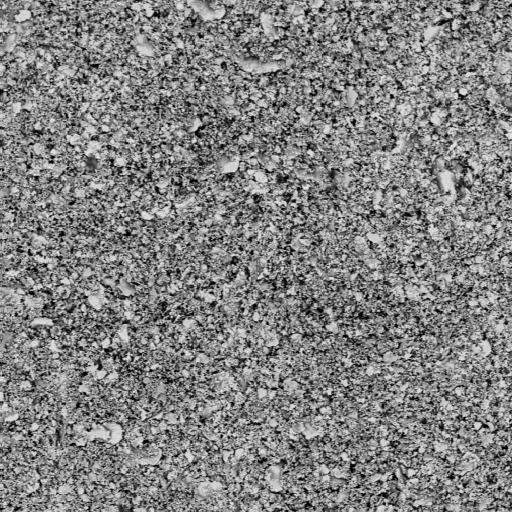
The failures were attributed to a combination of broad silver-particle size distribution, mineral-filled mask material, and poor conductive-ink adhesion or cure. Large particles concentrated contact stress, mask debris could enter the interface, and missing particles reduced the available conductive area.
Why this case matters
A printed contact should be evaluated as a complete tribological system. Particle-size distribution controls real contact area, cure controls particle retention, and nearby mask material can become wear debris; correcting only one of these factors may leave unstable resistance unresolved.
Full evidence reserved for MEMBER and STOREThe complete case includes the evidence sequence, 4 interpreted figures, alternative explanations, limitations, and practical application guidance.