Case 2471 · Public preview
Laser-Trim Width Can Be More Diagnostic Than Ubiquitous Coating Blisters
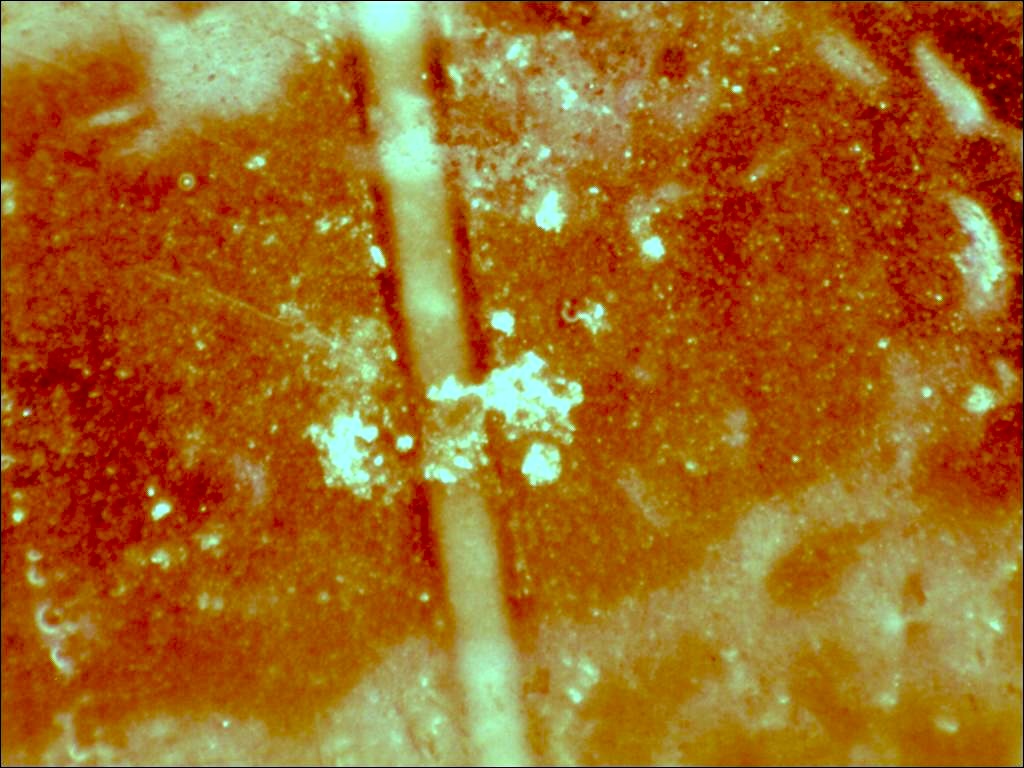
Two field resistors measured out of tolerance low, while additional high-resistance and in-tolerance parts contained visually similar coating defects and metallic particles.
Resistance measurementOptical microscopyChemical coating removalBackscattered-electron SEM and EDSComparative laser-cut measurement
What the evidence preview establishes
The two low-resistance failures contained apparent SnPb bridges across their laser trims, and their resistance loss was consistent with bypassing one turn of the resistive spiral. Because coating blisters and metallic particles also appeared in comparison parts, laser-cut width was the feature that best distinguished susceptibility to shorting.
Why this case matters
A defect that occurs in failed and passing parts is a weak discriminator by itself. Correlate the electrical shift with the geometry of the resistive path and compare failed units with controls before treating common blisters or particles as the root cause.
Full evidence reserved for MEMBER and STOREThe complete case includes the evidence sequence, four interpreted figures, alternative explanations, limitations, and practical application guidance.