Case 924 · Public preview
Fiber-Fracture Patterns Can Distinguish Cyclic Fabric Wear from Cutting or Abrasion
Several woven glass-fiber filter bags developed holes or tears near a common ring region, while an unused bag from the same manufacturing population contained visible fabric anomalies.
Optical microscopySEMFiber-fracture morphologyFabric-weave examinationFailed-to-unused comparison
What the evidence preview establishes
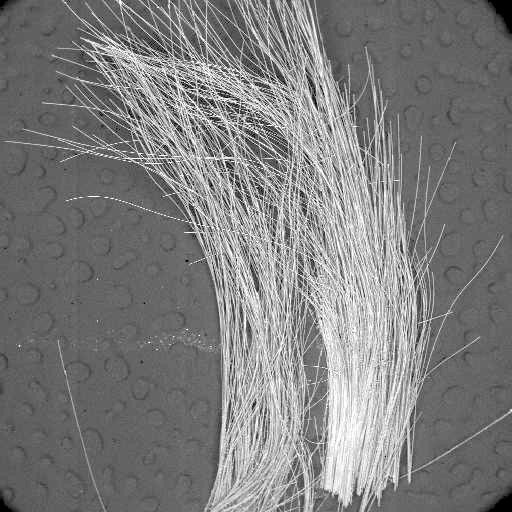
The fracture-length pattern supported progressive wear-out under cyclic reversed loading rather than chemical attack, melting, abrasion, or cutting. Damage concentrated in the fill bundles, while fabric bunching, splayed bundles, and broken fibers in an unused bag could have increased local loading and susceptibility to early failure.
Why this case matters
Read a woven-fabric failure at both the fiber and weave scales. Fracture-length gradients can reveal cyclic loading, while comparison with unused material can show whether bunching, splaying, and broken fibers were service damage or as-fabricated susceptibility factors.
Full evidence reserved for MEMBER and STOREThe complete case includes the evidence sequence, 4 interpreted figures, alternative explanations, limitations, and practical application guidance.