Case 675 · Public preview
Residual Activated Flux Can Create Hidden Leakage Paths Inside a Module
A potted DC-DC converter developed electrical leakage between internal signals without an obvious defect in radiographic inspection.
RadiographyControlled decapsulationOptical microscopySEMEDS
What the evidence preview establishes
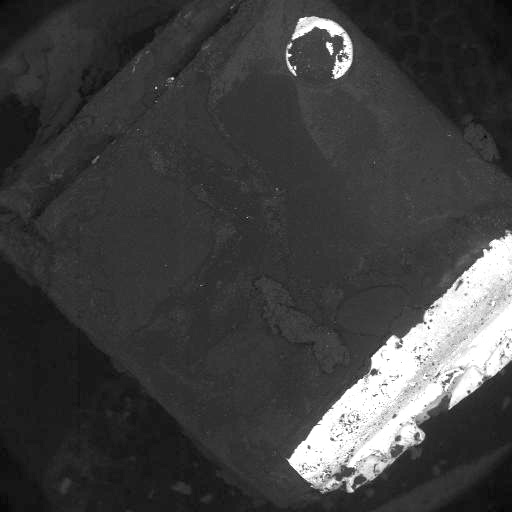
Residual activated rosin flux promoted corrosion and migration of tin-lead solder between internal conductors, producing moisture-sensitive leakage paths.
Why this case matters
Radiography may reveal solder debris but not ionic leakage. When a module has unexplained resistance between signals, expose the board and inspect residue chemistry and dendritic deposits before assuming a hard metallic short.
Full evidence reserved for MEMBER and STOREThe complete case includes the evidence sequence, four interpreted figures, alternative explanations, limitations, and practical application guidance.